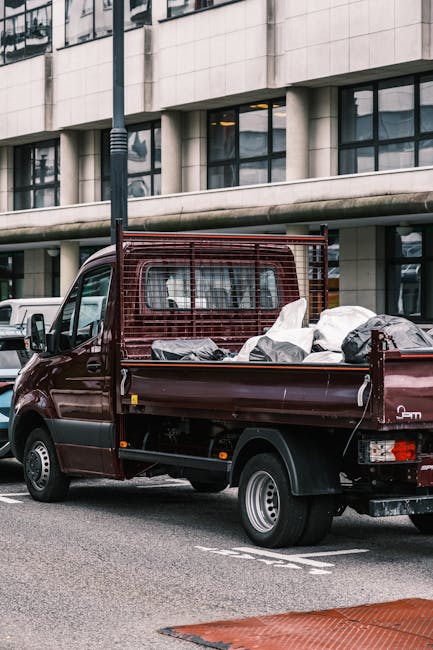
Brixton Academy Pickup Logistics for Furniture Removals
If you are planning Brixton Academy pickup logistics for furniture removals, you are probably dealing with a move that needs more thought than a standard kerbside collection. The streets can be busy, access can be tight, and timing often matters just as much as muscle. That is true whether you are shifting one bulky sofa, clearing several office chairs, or organising a full flat move nearby.
This guide breaks the process down in plain English. You will learn how pickups are usually planned, what slows them down, which vehicle and packing choices make life easier, and how to avoid the awkward last-minute scramble that so many people run into. It is practical, local, and based on the kind of logistics that actually matter on the day.
??- Why Brixton Academy pickup logistics for furniture removals matters
- How the pickup process works
- Key benefits and practical advantages
- Who this is for and when it makes sense
- Step-by-step guidance
- Expert tips for better results
- Common mistakes to avoid
- Tools, resources and recommendations
- Law, compliance, standards and best practice
- Options, methods and comparison
- Case study or real-world example
- Practical checklist
- Conclusion
- Frequently Asked Questions
Why Brixton Academy pickup logistics for furniture removals Matters
Pickup logistics is the unglamorous bit that determines whether a furniture removal feels calm or chaotic. Around Brixton Academy, that matters even more because busy roads, limited waiting space, event traffic, and the normal pace of South London life can all get in the way. A collection that looks simple on paper can quickly turn awkward if the van cannot stop safely, the furniture is not ready, or the route has not been thought through.
That is why people searching for furniture removals in this part of Brixton are rarely just asking, "Can you collect it?" They are really asking, "Can you do it without damaging the item, blocking the road, or wasting half the morning?" Fair question. A good pickup plan answers all three.
There is also a broader point. Good logistics reduces risk. It helps protect door frames, stairs, lifts, and the furniture itself. It also helps the crew work efficiently, which usually means a smoother experience and fewer surprises. To be fair, the biggest problems in removals are often not the heavy lifting. They are the timing, access, and parking details that no one mentioned early enough.
If you are comparing options, it may help to look at wider removal support too, such as furniture removals, man and van, or removal services depending on how much you need moved and how quickly it needs doing.
How Brixton Academy pickup logistics for furniture removals Works
A well-run pickup usually follows a simple sequence. First, the move is assessed. Then the right vehicle, crew size, and timing are chosen. After that, the furniture is prepared, collected, loaded, secured, and delivered or disposed of according to the plan. Sounds straightforward. In practice, the difference is in the details.
For Brixton Academy pickup logistics, the first logistics question is always access. Can a van stop legally and safely? Is there space for loading? Will the pickup happen during a busy period, or when the road is calmer? Are there narrow streets, one-way sections, or tight turning points nearby? These are the questions that save time later.
The second question is item type. A small two-seater sofa has very different handling needs from a wardrobe, a dining table, or a piano. Heavy or awkward furniture may need extra hands, protective blankets, straps, or a larger vehicle. If the item is valuable or delicate, you want a move planned with a bit of care, not just enthusiasm and optimism.
The third question is what happens after pickup. Some items are going into a new home, some into storage, and some may need recycling or responsible disposal. If you are clearing out before a move, it can help to pair the pickup with storage or a broader home move so the whole day is coordinated properly.
In real terms, the process often looks like this:
- Share item details, access notes, and the pickup window.
- Choose the right vehicle and team size.
- Pack or wrap items that need protection.
- Confirm parking, access, and building entry instructions.
- Collect, load, and secure the furniture.
- Deliver, store, or dispose of items as agreed.
It is not glamorous, but it works. And when it is done well, nobody has to stand in the rain wondering where the parking bay went.
Key Benefits and Practical Advantages
Planning furniture pickup properly around Brixton Academy gives you more than convenience. It improves the whole moving experience.
- Less waiting around: A clear slot and a sensible route mean fewer delays.
- Lower damage risk: Proper handling, blankets, and straps protect furniture and property.
- Better vehicle matching: A van that fits the job avoids wasted trips and awkward overloading.
- Cleaner handover: Items can be moved out without blocking entrances or upsetting neighbours.
- More predictable costs: Logistics that are thought through early tend to produce cleaner quotes.
- Less stress on the day: Honestly, that may be the biggest benefit of all.
There is another practical advantage people often overlook: good logistics helps you decide whether the move is really a pickup, a fuller removal, or perhaps a split job that needs both transport and temporary holding. If you are moving from a flat, for example, flat removals may be more suitable than a simple one-item collection. If it is a business move, commercial moves can be the better fit.
And if the job is time-sensitive, choosing between standard booking and same-day removals can make a real difference. Not always necessary, but sometimes very handy when plans shift at short notice.
Who This Is For and When It Makes Sense
This kind of pickup planning is useful for quite a few people, not just one type of customer.
- Homeowners and tenants clearing bulky furniture before a move-out date
- Flat-sharers dealing with a sofa, bed frame, or dining set that will not fit in a small car
- Students moving between rooms, halls, and rented places with limited access time
- Landlords and agents needing reliable furniture clearance between tenancies
- Small businesses replacing office furniture or clearing old stock
- People using storage and needing items collected, held, then delivered later
It makes sense whenever the job involves more than just lifting. If there is a narrow street, a timed appointment, a vulnerable item, or multiple drop-off points, planning matters. If the collection site is near a busy event area, it matters even more. You do not need a dramatic incident for logistics to be worth thinking about. Sometimes a simple chair move becomes a bit of a puzzle once access and parking come into play.
For lighter moves, you might only need a removal van or a flexible man with van setup. For bigger or heavier loads, a moving truck or even removal truck hire may be more efficient.
Step-by-Step Guidance
If you want the pickup to run smoothly, treat it like a small project. Nothing fancy. Just enough structure to keep the day from drifting.
- List every item clearly. Note size, weight, fragility, and whether it can be dismantled.
- Check access early. Measure doorways, stairwells, lifts, and tight corners if needed.
- Confirm the pickup window. A slightly wider slot can help if Brixton traffic decides to be Brixton traffic.
- Identify parking and stopping points. The van needs somewhere safe to pause while loading.
- Prepare the furniture. Remove loose drawers, tape doors shut, and wrap delicate surfaces.
- Decide the destination. New home, storage, donation-style pickup, or disposal route.
- Book the right support. Compare the needs of your job with removals, removal services, or furniture pick up.
- Share the details in one message. Access notes, contact numbers, item list, and timing all together. Simpler for everyone.
One small but useful tip: if a building has lift restrictions or a portered entrance, mention it. A crew can work around many things, but only if they know in advance. Surprises are expensive, and nobody likes those.
For larger domestic jobs, you may also want to think about packing support. Packing and boxes and packing and unpacking services can make the pickup much easier, especially when furniture is leaving alongside fragile household goods.
Expert Tips for Better Results
These are the small decisions that tend to make the biggest difference.
- Take photos before the pickup. Helpful for quoting, but also for peace of mind if an item has existing marks.
- Disassemble when practical. Flat-pack furniture, bed frames, and tables often move better in pieces.
- Keep pathways clear. It sounds obvious, but shoes, bins, and boxes create more delays than people expect.
- Use protective wrap for sharp or polished surfaces. A small scratch can spoil an otherwise smooth job.
- Label what stays and what goes. Especially useful in mixed moves where some furniture is being collected and some is staying put.
- Allow a buffer for traffic and access checks. Ten minutes can save you thirty. Weirdly, that is often how it goes.
Another useful judgement call is whether the pickup should be combined with a full move. If you are leaving a property entirely, bundling pickup and relocation often works better than booking separate trips. That is where house removals or a house removalists service may be more efficient.
And if you are moving a delicate or unusually heavy item, such as a piano, it is worth treating that as a specialist move rather than just another piece of furniture. In practice, it usually is. No drama, just common sense.
Common Mistakes to Avoid
Most delays and damage issues come from a handful of avoidable mistakes.
- Booking before checking access. A van is no good if it cannot get close enough.
- Underestimating item size. That sofa may look manageable until it meets the stairwell.
- Forgetting about parking restrictions. Especially around busier parts of Brixton where stopping space is limited.
- Leaving everything until the crew arrives. Sorting screws, drawers, and cushions on the fly slows things down.
- Not saying what is fragile. Glass, veneer, and softwood deserve a bit of respect.
- Mixing disposal and delivery instructions. The end destination needs to be clear from the start.
Here is the one that catches people out most often: they book a simple pickup, then realise the furniture also needs temporary holding, assembly help, or disposal of the old item. Suddenly the job is no longer simple. Not impossible, just different. This is why talking through the whole plan matters, even if the detail feels slightly tedious at first.
If you are trying to clear more than one room, a bigger service such as removal companies may be a better fit than a quick one-off lift.
Tools, Resources and Recommendations
You do not need fancy software to organise a pickup, but a few practical tools help.
- Tape measure: For doors, lifts, furniture dimensions, and vehicle access checks.
- Phone camera: For photos of items, access points, and any existing damage.
- Marker pen and labels: Useful for identifying what is going where.
- Blankets, wrap, and straps: Basic protection for safer loading.
- Simple inventory list: Keeps everyone aligned, especially on mixed or multi-stop jobs.
On the service side, it helps to compare the job against what you really need. If you are moving a single item or a small cluster of pieces, man with a van may be enough. For a room clearance or a more formal move, removals can provide a broader solution. For one-off furniture collection, furniture removals is the most direct fit.
There is also a trust angle here. Before booking, look at whether the company explains how it handles safety, payments, and customer care. On this website, useful pages include health and safety policy, insurance and safety, payment and security, pricing and quotes, and terms and conditions.
If you are moving between places and need somewhere to put items temporarily, storage can be part of the plan rather than an afterthought. That often keeps the whole move tidier.
Law, Compliance, Standards, or Best Practice
For furniture pickups, compliance is mostly about safe, lawful, and considerate operation. You do not need to become a legal expert, but you should expect sensible professional standards.
In the UK, a responsible moving provider will typically work in line with road safety, loading safety, manual handling best practice, and property care. In plain English: the vehicle should be loaded safely, the team should handle items sensibly, and the job should not create avoidable risks for people or property.
Good practice usually includes:
- Using suitable lifting methods and team support for heavy items
- Securing loads so furniture does not shift in transit
- Protecting floors, bannisters, doors, and corners where needed
- Being honest about limits if access is tighter than expected
- Carrying appropriate insurance and operating transparently
For customers, the most practical takeaway is simple: do not assume every mover handles every job in the same way. Ask about safety, insurance, and what happens if access is difficult. That is not being difficult. That is being sensible.
If your pickup is connected to a workplace, then business-specific planning matters even more. For offices and shops, office removals and office relocation services may be more suitable than a casual furniture collection.
Options, Methods, or Comparison Table
Different pickup methods suit different situations. The right choice depends on item size, urgency, access, and whether the furniture is heading to a new property, storage, or disposal.
| Option | Best for | Strengths | Trade-offs |
|---|---|---|---|
| Furniture pick up | Single items or small collections | Simple, efficient, focused on collection | Less suitable for larger household moves |
| Man and van | Flexible local jobs with moderate load | Adaptable, quick, practical for tight streets | May not suit very large or specialist items |
| Removal van or moving truck | Bigger loads and multi-item moves | More capacity and better load planning | Needs more access room and planning |
| Full removals | Whole-home or larger office moves | Best for structured, end-to-end relocation | More involved than a simple pickup |
| Same-day removals | Urgent or last-minute jobs | Fast response when time is tight | Less flexibility and sometimes more pressure |
The short version? If you are collecting one sofa, use a service that is built for collections. If you are moving half a flat, book something broader. Trying to make a small pickup behave like a full move, or the other way around, is where the stress begins.
Case Study or Real-World Example
Here is a realistic example. A tenant near Brixton Academy needed two wardrobes, a bed frame, and a dining table collected before a tenancy handover. The items were technically straightforward, but access was not. The street was narrow, the pickup window was tight, and the building had a shared entrance that could get busy in the early evening.
The solution was simple, though not magical: the items were measured in advance, the bed frame was partly dismantled, the pickup was timed for a quieter slot, and the van was chosen for manoeuvrability rather than size alone. A storage stop was added because the new flat was not ready that same day. Nothing dramatic happened, which is exactly what you want.
What made the job work was not brute force. It was preparation. The crew arrived with a clear plan, the customer knew what was leaving, and the route was agreed before lifting began. That tiny bit of coordination saved a lot of back-and-forth. And yes, the flat felt very much more peaceful once the old furniture was gone.
This is why people often benefit from a broader move strategy rather than just a pickup. If your situation includes a few different stages, combining collection with home moves or structured removals support can make the whole thing feel much less chaotic.
Practical Checklist
Use this before the pickup day. It is not fancy, just useful.
- Confirm the exact furniture items to be collected
- Measure anything bulky, tall, or awkward
- Check stairs, lifts, doorways, and hallway width
- Decide whether items need dismantling
- Clear the route from room to exit
- Protect fragile surfaces with wrapping or blankets
- Share parking and access notes with the mover
- Confirm the pickup time and any flexibility window
- State clearly where the furniture is going
- Keep a contact number available on the day
- Separate items that are staying from items that are going
- Review insurance, safety, and payment details in advance
A small final note here: if the item is expensive, sentimental, or a bit tricky, give it more time than you think it needs. It usually pays off. That extra ten minutes can be the difference between an easy lift and a very grumpy staircase.
Get a free quote today and see how much you can save.
Conclusion
Brixton Academy pickup logistics for furniture removals is really about making smart decisions before the van arrives. When you understand access, timing, vehicle choice, and item handling, the entire move becomes easier to manage. Not perfect, perhaps, but far less stressful. And that is the point.
If you are planning a local collection, keep the job simple, share the details clearly, and choose the service that matches the scale of the move. A small pickup, a flat clearance, and a full relocation all need different levels of support. Once you treat them that way, the day tends to go much more smoothly.
And honestly, a well-planned move has a lovely quiet feeling to it. The furniture goes, the space opens up, and suddenly the whole place breathes a bit easier.
Frequently Asked Questions
What does Brixton Academy pickup logistics for furniture removals actually mean?
It means planning how furniture will be collected safely and efficiently near Brixton Academy, including access, timing, vehicle choice, loading, and delivery or disposal.
Do I need a full removals service for one or two pieces of furniture?
Not always. For a small number of items, a focused furniture pickup or man and van service may be enough. If the job is bigger or includes multiple rooms, broader removals support is usually better.
How do I know what size vehicle I need?
List the furniture items, measure them if possible, and think about whether they can be dismantled. A removal van works for smaller jobs, while a moving truck is better for larger loads.
What should I do if access near Brixton Academy is tight?
Share the access details before booking. Mention narrow roads, stairs, lifts, loading restrictions, and any parking limitations so the pickup can be planned around them.
Can furniture be collected and put into storage on the same day?
Yes, often it can. That is a common solution when the new home is not ready yet. In that case, storage can be built into the move plan.
Is same-day pickup possible?
Sometimes, yes. Same-day removals can be useful for urgent jobs, but they depend on availability, access, and how complex the pickup is.
How can I protect my furniture during collection?
Use blankets, wrap, tape, and dismantling where appropriate. Clear the path to the exit and tell the mover about any fragile surfaces or awkward fittings.
What if my furniture is too heavy to move on my own?
That is exactly when professional help makes sense. Heavy items should be handled with the right lifting methods and enough people to do the job safely.
Are there safety or insurance things I should ask about?
Yes. Ask how the mover handles safety, loading, and property protection, and make sure you understand the insurance and safety arrangements before the pickup day.
How far in advance should I book a furniture pickup?
As soon as you can, especially if you need a specific time slot or the job is near a busy part of Brixton. Early booking gives more choice and usually less stress.
Can I combine furniture pickup with a house move?
Absolutely. If you are relocating anyway, combining the pickup with house removals or home moves often saves time and avoids duplicate travel.
What is the biggest mistake people make with pickup logistics?
They underestimate access. The furniture might be fine, but the route, the parking, or the timing may not be. A good plan fixes that before it becomes a problem.
How do I choose between furniture removals and man with van?
Choose furniture removals when the job is mainly about collecting and handling furniture properly. Choose man with van when you want flexible transport for smaller loads or mixed items. The best option depends on the shape of the job, not just the words on the page.
Who can I contact if I want to discuss a move in more detail?
You can review the company's general information first, including about us, then use the available contact route when you are ready to discuss your pickup and move in detail.